Source Original Engine Thermostat for Excavator, Loader, Bulldozer
Compare 30 original engine thermostat for excavator options with verified specifications. Review model numbers, materials, and delivery times to select the right cooling component for your heavy machinery maintenance needs; compare the available evidence and request quotations based on your requirements.
Key considerations
Products List


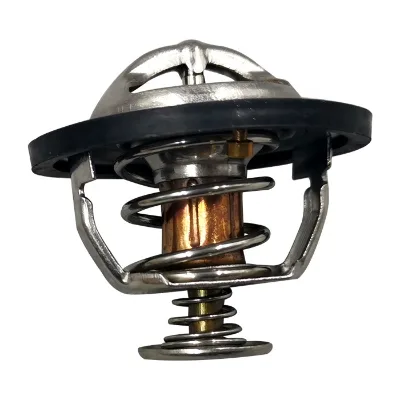


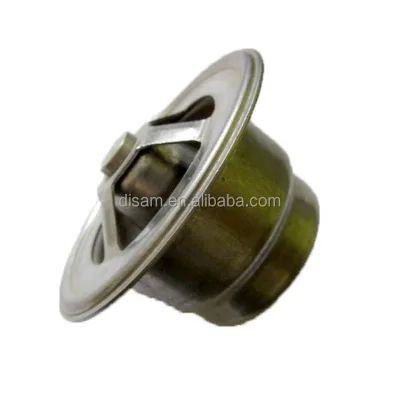
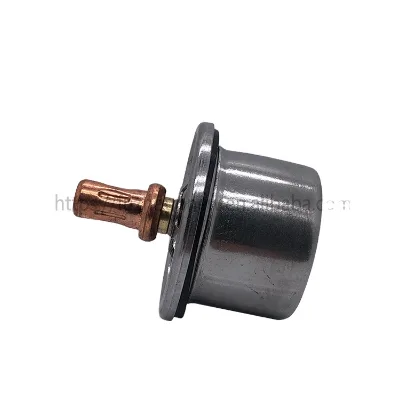


Comprehensive Sourcing Guide
Original Engine Thermostat for Excavator Sourcing Guide
Procuring an original engine thermostat for excavator applications requires precise alignment between the component's thermal regulation capabilities and the heavy machinery's operational demands. The market offers units designed for specific engine models such as the V3300, with variations tailored for brands like Doosan, Hino, Yanmar, Isuzu, Komatsu, and Kubota. Buyers must verify that the selected thermostat matches the exact engine architecture to prevent overheating or inefficient warm-up cycles that can damage critical hydraulic and engine systems.
The observed product listings indicate a diverse range of specifications, including glycerin-based cooling fluids and iron body materials that ensure durability under high-stress conditions. While some units are packaged in neutral boxes, others retain original packaging, which can influence logistics and inventory management strategies. Sourcing teams should prioritize components that explicitly state compatibility with the target machinery to avoid the costly downtime associated with incorrect part installation in heavy equipment environments.
Product Scope and Observed Listing Signals
The available product scope encompasses various thermostat models identified by specific part numbers like 80301018 and designations such as dB58 or J05e, which correspond to distinct engine families. Listings frequently highlight the component as a direct-flow radiator type with an open structure, utilizing analog water temperature sensors to provide accurate feedback to the engine management system. These signals suggest a focus on robust thermal control mechanisms suitable for the continuous, high-load operations typical of excavators and bulldozers.
Buyers should note that observed listings often specify a delivery window of 7 to 15 days or 10 to 15 work days after order confirmation, reflecting the logistical realities of international trade from China. The minimum order quantities observed range from 1 to 10 units, offering flexibility for both immediate replacement needs and small-scale inventory replenishment. Understanding these listing signals helps procurement teams set realistic expectations for lead times and order volumes while ensuring the selected product meets the specific mechanical requirements of the excavator fleet.
Technical Specifications to Verify
Verifying technical specifications is critical when selecting a thermostat, as the body material, typically iron, must withstand the thermal expansion and vibration inherent in heavy machinery. The standard dimensions observed, such as 14.00cm by 5.00cm by 15.00cm, serve as a baseline for physical fitment, but buyers must cross-reference these against the specific engine bay constraints of their equipment. Additionally, the cooling fluid type, often glycerin, dictates the thermal response curve, which must align with the engine's optimal operating temperature range to ensure efficiency and longevity.
The model number and engine compatibility are paramount, with listings explicitly linking parts to engines like the V3300 or specific brands like Yanmar and Komatsu. Buyers must confirm that the radiator core type, described as pipe belt, and the structure, noted as open type, match the cooling system design of the target excavator. Failure to verify these precise technical attributes can lead to installation failures, making it essential to validate the model number and engine type against the original equipment manufacturer's documentation before finalizing any purchase.
Compliance and Safety Documentation
Compliance documentation serves as a foundational element of the procurement process, with many suppliers providing certifications such as IATF16949 and ISO9001 to demonstrate adherence to automotive quality management standards. These certifications indicate that the manufacturing processes have been audited for consistency and reliability, which is vital for components that directly influence engine safety and performance. Buyers should request current certification copies to ensure that the supplier maintains these standards throughout the production cycle, rather than relying on historical or expired documentation.
Safety and regulatory compliance also extend to international standards like CE, RoHS, and E-Mark, which are frequently cited in product listings to confirm market eligibility. The presence of CCC and COP certifications further suggests that the products meet specific regional safety and environmental requirements, particularly for markets in Asia and Europe. Procurement teams must verify that the specific batch of thermostats being ordered carries the relevant compliance marks, as these documents are often required for customs clearance and regulatory audits in the destination country.
Cost Drivers and Commercial Terms
Cost drivers for original engine thermostats are influenced by the complexity of the engine model, the quality of materials like iron bodies, and the specific customization options available. While the observed price range spans from 1 to 259 USD, the final cost is heavily dependent on the order volume, the specific model number, and whether the unit requires custom packaging or branding. Buyers should analyze the total cost of ownership, including potential shipping fees and the impact of lead times on operational continuity, rather than focusing solely on the unit price.
Commercial terms typically include payment methods such as T/T or Western Union, with delivery times ranging from 7 to 15 days depending on the supplier's capacity and order confirmation status. The minimum order quantity of 1 to 10 units allows for flexible purchasing, but larger orders may negotiate better pricing or expedited shipping. It is crucial for buyers to clarify the payment terms and delivery schedules in the purchase agreement to avoid disputes, ensuring that the financial and logistical expectations align with the supplier's capabilities and the buyer's cash flow requirements.
Supplier Qualification and Quality Control
Supplier qualification involves a rigorous assessment of the manufacturer's ability to maintain consistent quality, often evidenced by video outgoing inspections provided for specific orders. The availability of video inspection support allows buyers to verify the physical condition and packaging of the thermostats before shipment, reducing the risk of receiving damaged or non-compliant goods. This transparency is particularly valuable for high-value orders where the cost of a single failed component could result in significant equipment downtime and repair expenses.
Quality control is further reinforced by the supplier's adherence to standards like ISO and SGS, alongside the provision of machinery test reports upon request. Although some listings indicate that machinery test reports are not automatically available, buyers should explicitly request these documents to validate the performance of the thermostats under simulated operating conditions. Ensuring that the supplier can provide detailed quality documentation and support video inspections is a key strategy for mitigating risk and maintaining the reliability of the excavator fleet.
Long-Term Procurement Checks
Long-term procurement checks require establishing a framework for continuous quality monitoring and supplier performance evaluation over the lifecycle of the partnership. Buyers should implement a system to track warranty claims, noting that warranties typically range from 3 to 6 months, and use this data to assess the reliability of the thermostats in real-world operating conditions. Regular audits of the supplier's quality control processes and certification status ensure that the supply chain remains robust and capable of meeting evolving operational demands.
Sustainability and supply chain resilience are also critical factors, as the global export markets for these components demand consistent availability and adherence to environmental standards. Buyers should verify that the supplier maintains a stable production capacity and can adapt to changes in raw material availability or regulatory requirements. By maintaining open communication channels and conducting periodic reviews of the supplier's performance, organizations can secure a reliable source of original engine thermostats that supports the long-term efficiency and safety of their heavy machinery operations.
FAQs
What certifications do these thermostats hold?
These thermostats hold IATF16949 and ISO9001 certifications. Additional certifications include CCC, COP, ISOCE, E-Mark, RoHS, and SGS. These standards ensure quality and safety for global export markets while meeting strict automotive industry requirements for engine cooling components.
How long is the delivery time for orders?
The standard delivery time ranges from 7 to 15 days after order confirmation. Some specific orders may require 10 to 15 working days. This timeline applies to confirmed orders for original engine thermostat for excavator units sourced from China.
Which engine models are compatible with this thermostat?
This thermostat fits engines like V3300, V2607, 6bg1, 4tnv94, and J05e. It is compatible with brands such as Doosan, Hino, Yanmar, Isuzu, Komatsu, and Kubota. The component is designed for excavators, bulldozers, and loaders using these specific engine types.
Can I request customization for this product?
Yes, customization is available for this engine thermostat. Buyers can request specific modifications to meet unique operational needs. The product supports various packing options including neutral or original boxes while maintaining the core structural integrity of the iron body component.
What is the warranty period for this item?
The warranty period for this item is typically between 3 to 6 months. This coverage applies to the new condition of the original or OEM quality thermostat. Buyers should contact customer service for specific machinery test reports or detailed warranty terms.
What payment methods are accepted for purchase?
Accepted payment methods include T/T and Western Union. These options facilitate secure transactions for global export markets. Buyers can proceed with orders using these standard financial channels to secure the original engine thermostat for excavator units from the supplier.
Is video inspection available before shipment?
Video outgoing inspection is provided and supported for this product. Buyers can request visual verification of the new condition and specifications before the item ships. This service ensures quality assurance for the iron body thermostat intended for heavy machinery applications.